The Ultimate Guide to Understanding Esports in 2025

The State of Esports: A $5 Billion Ecosystem
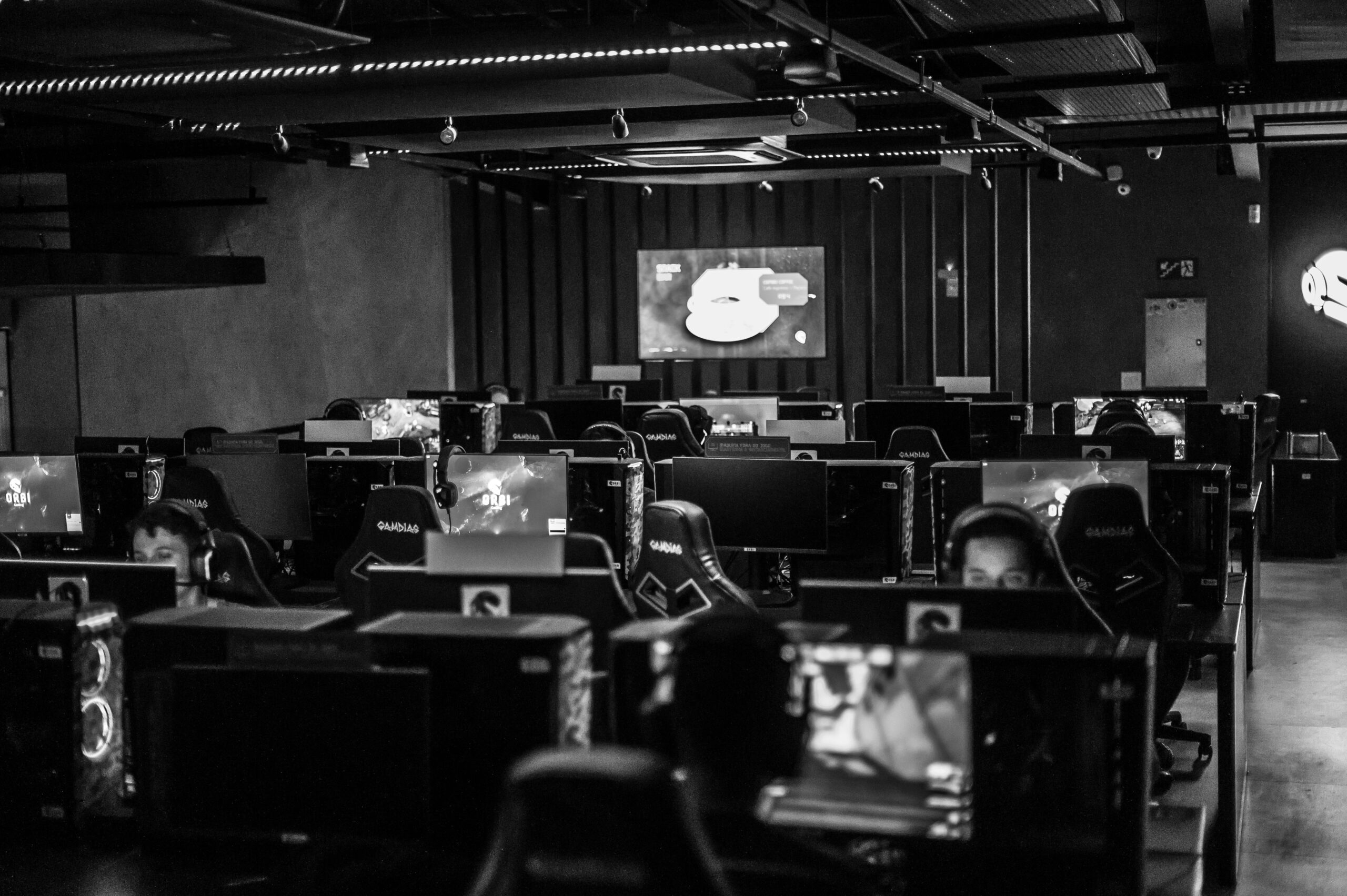
By 2025, esports has evolved from a niche subculture into a mainstream entertainment juggernaut, with global revenues projected to exceed $5 billion annually. This figure encompasses media rights, sponsorships, merchandise, ticket sales, and a rapidly expanding wagering market. Major brands like Nike, Coca-Cola, and Mercedes-Benz no longer view esports as experimental marketing—they are securing multi-year partnerships with permanent slots in the annual sponsorship calendar. The audience has grown to over 700 million unique viewers worldwide, with a demographic that now spans beyond the traditional 18-34 male core to include significant female and older adult segments. China leads viewership with over 200 million fans, followed by the United States, South Korea, and emerging markets in Southeast Asia and Latin America. Infrastructure has matured: purpose-built arenas in Los Angeles, Shanghai, and Berlin host sold-out events, while university esports programs offer scholarships comparable to traditional athletics.
The Core Game Genres Defining Competitive Play in 2025
Five primary genres dominate the esports landscape, each with distinct mechanics, audience behaviors, and professional structures. Multiplayer Online Battle Arenas (MOBAs) remain the most watched category, led by League of Legends and Defense of the Ancients 2 (Dota 2). The League of Legends World Championship in 2025 boasts a prize pool of $20 million, with viewership peaking at over 4 million concurrent spectators. First-Person Shooters (FPS) have seen explosive growth driven by Valorant and Counter-Strike 2. Valorant’s tactical gameplay and agent-based abilities attract a younger audience, while CS2 retains its hardcore competitive purity. Battle Royales have stabilized after a post-pandemic contraction, with PUBG: Battlegrounds and Fortnite maintaining healthy competitive scenes through innovative tournament formats like Zero Build modes and third-party map rotations. Fighting games enjoy a renaissance thanks to Street Fighter 6 and Tekken 8, both benefiting from cross-platform play and revamped netcode that reduces latency issues. Sports simulators, particularly FIFA 24 (now EA Sports FC) and NBA 2K25, have bridged traditional sports audiences into esports, with official leagues from football and basketball governing bodies.
The 2025 Esports Calendar: Major Tournaments and Their Significance
The competitive year is structured around a global circuit of marquee events. January kicks off with the League of Legends LCK Spring Split in South Korea, followed by the VALORANT Champions Tour Kickoff Tournament. March features the IEM Katowice for Counter-Strike 2, a historic event now in its third decade. April sees the Dota 2 ESL One Birmingham, critical for Dota Pro Circuit points. June is dominated by the Overwatch League Midseason Madness—though the franchise model has shifted to a more open ecosystem in 2025. August-July is the peak season: The International (Dota 2’s premier event) and the League of Legends World Championship Qualifiers. September brings the FIFAe World Cup, now a standalone event after EA’s split from FIFA. November concludes with the Esports World Cup in Saudi Arabia, a multi-title festival offering a combined $100 million prize pool, making it the richest esports event in history. This calendar is synchronized across time zones to maximize live viewership, with Asian events scheduled for European evenings and American afternoons.
The Business of Esports: Revenue Streams and Financial Realities
Monetization in 2025 is more diversified than ever. Media rights account for 35% of revenue, up from 20% in 2020, as platforms like Twitch, YouTube, and new entrants like Kick and Netflix compete for exclusivity. Sponsorship still leads at 40%, but contracts now include performance bonuses and revenue-sharing models rather than flat fees. Merchandising has matured through digital-only drops and NFT-integrated jerseys that unlock in-game content. Ticket and hospitality for live events have rebounded strongly, with premium packages including meet-and-greets and VR access selling out months in advance. Wagering is the fastest-growing segment, legalized in 15 U.S. states and dozens of countries, with specialized platforms offering micro-bets on in-game events. However, financial sustainability remains elusive for many organizations. Player salaries have plateaued, and franchise fees in established leagues like the LCS (League of Legends Championship Series) have dropped from $10 million to $3 million as the industry corrects from earlier overvaluation. Profitability now requires diversified revenue, cost control, and grassroots fan engagement.
How to Get Involved: From Viewer to Competitor in 2025
Participation has multiple entry points. As a viewer, the landscape offers tier-1 events like Worlds or The International with broadcast production rivaling the Super Bowl, alongside amateur streams on platforms like Twitch and YouTube. For aspiring players, the pathway has formalized: ranked matchmaking in games like Valorant and League of Legends uses MMR (Matchmaking Rating) systems that feed into collegiate and minor league drafts. Educational pathways now include over 200 universities worldwide with esports management, coaching, or game design degrees. The National Association of Collegiate Esports (NACE) sanctions official tournaments with scholarships. For non-players, opportunities abound in coaching, analytics, content creation, event management, and broadcast production. Roles like performance psychologist and data scientist are increasingly common. Grassroots involvement starts with local LAN tournaments or online leagues via platforms like Battlefy and Challengermode. Many pro players began in open qualifiers—anyone can theoretically compete for a slot at a major event.
Technology Shaping Esports in 2025: AI, VR, and Infrastructure
Artificial intelligence has transformed training and broadcasting. AI-driven analytics tools from companies like Gamebrain and Mobalytics provide real-time feedback on tactics, positioning, and resource management. Coaches use these to scrim smarter, not longer. Virtual reality remains niche but growing: Echo Arena and Population: One have dedicated competitive scenes, though motion sickness and hardware costs limit mainstream adoption. Cloud gaming from NVIDIA GeForce NOW and Xbox Cloud Gaming enables high-fidelity competitive play on low-end devices, expanding the player base. Infrastructure improvements include 5G networking reducing latency in mobile esports (a massive sector in India and Southeast Asia for games like Free Fire and PUBG Mobile), while fiber-optic connections at LAN events ensure sub-millisecond response times. Blockchain has found a home in digital merchandise and fan engagement, though the speculative hype of 2021 has subsided. Player tracking using computer vision allows broadcasters to overlay heatmaps and kill cams automatically, enhancing the viewer experience.
The Rise of Mobile Esports and Regional Powerhouses
Mobile gaming has solidified its place as a major esports pillar. Mobile Legends: Bang Bang (MLBB) remains dominant in Southeast Asia, with the M5 World Championship drawing 5 million concurrent viewers—surpassing many PC events. PUBG Mobile in India and Free Fire in Brazil have created localized ecosystems with regional heroes and language-specific broadcasts. The 2023 Asian Games included esports as a medal sport, with mobile titles featured prominently. China maintains its regulatory approach: under-16 players face strict playtime limits, yet professional academies operate legally. South Korea remains the gold standard, with dedicated esports TV channels and player apartments provided by organizations like T1 and Gen.G. The Middle East, particularly Saudi Arabia via the Esports World Cup, has become a destination for tournaments, offering prize pools that lure top talent. Latin America has emerged as a passionate market, with Brazilian fans filling stadiums for Counter-Strike and Rainbow Six Siege events. These regions are no longer just audiences—they produce world-class players and teams.
Esports as a Career: Roles, Salaries, and Sustainability in 2025
Professional gaming careers are shorter than traditional sports, with average competitive longevity of 5-7 years. Top-tier players in major titles earn base salaries of $200,000-$600,000 annually, plus prize pool shares and streaming income. The highest earners—like Dota 2 superstars—exceed $5 million in career earnings. Coaches now command six-figure salaries, with analytical and psychological skills valued as highly as game knowledge. Content creators and streamers earn via subscriptions, sponsorships, and platform revenue sharing; the top earners make millions, but competition is fierce. Support staff—analysts, team managers, nutritionists, and physical therapists—have seen role standardization, with median salaries of $50,000-$90,000. Sustainability remains a concern: burnout and mental health issues are prevalent. Organizations now employ wellness professionals and mandate breaks. The path for retired players typically shifts to coaching, casting, or content creation, with some transitioning to game development or esports management.
The Future: Esports in the Mainstream and the Olympic Question
Esports’ integration with mainstream culture continues. Traditional sports teams—the Dallas Cowboys, Paris Saint-Germain, and FC Barcelona—maintain active esports divisions. Broadcast television has grown: ESPN and BBC air major events, while dedicated esports channels exist in South Korea and China. The Olympic question persists: the IOC has organized the Olympic Esports Series (featuring virtual sports and simulation games), but core competitive titles like League of Legends remain excluded due to violence concerns and lack of a unified governing body. A separate Esports Olympics proposed by the IOC in 2023 is in development for late 2025, but faces logistical hurdles regarding eligibility, anti-doping, and game selection. Grassroots growth is accelerating: high school esports leagues in the U.S. have doubled participation since 2023, and countries like Japan and Germany now fund national esports associations. The line between esports and traditional entertainment blurs further as virtual concerts and interactive experiences merge with tournaments, promising a future where competitive gaming is an integral, respected pillar of global culture.